It's almost that time of year and I'm getting pretty excited. Generally things start really getting exciting around my birthday (April 25). Last year I had a nice birthday surprise by finding an Eared Grebe and Eurasian Wigeon, and the previous day I found a Snowy Egret, flock of Willets, and also saw Brandon's Neotropic Cormorant.
With this crazy weather I still don't expect the "magic date" of April 24/25 to be much different this year. As many people have alluded to, neotropical migrants usually cue migration by photoperiod as well as a proposed internal clock. These birds in Brazil, Panama, and elsewhere have no idea what sort of heat wave we are going through - no idea that in order for them to arrive at "peak time", they need to leave three weeks early. Once they do arrive on the gulf coast in early April, I wouldn't be surprised if they migrant north quicker than usual since everything is so far along this year. So perhaps instead of having an average arrival date of May 1 for neotropical species X, it may arrive by April 27 or something.
Temperate migrants, on the other hand, seem to be more cued by temperature and local conditions. That may explain why we are seeing extremely early dates of birds like Long-billed Dowitcher, Pine Warbler, various sparrows and swallows, etc. In Ohio, Louisiana Waterthrushes, Yellow-crowned Night-Herons and Yellow-throated Warblers are already on territory!
At any rate, I am done exams on April 18th and expect to be down in Pelee by no later than April 20 this year (I need a day or two to move all my stuff from my Guelph house to my parent's in Cambridge). Between now and April 20, there are a few species that I am targeting.
Boreal Owl, American Three-toed Woodpecker, Spruce Grouse, Sharp-tailed Grouse
I am currently planning an in-and-out 3 day whirlwind trip to the Marathon area - about 15 hours away. Boreal Owls breed here (and will be calling, unlike on my January trip), American Three-toed Woodpeckers seem reliable (and I'll spend more than 3 hours one afternoon searching, unlike last trip!), and I have a few chances for Spruce Grouse and Sharp-tailed Grouse on the way up. If I get all those species, the only boreal specialty I will still need is Northern Hawk-owl. More on this trip later, but I am currently shooting for the dates of April 10-12ish, nestled in right between exams...
Loggerhead Shrike, Yellow Rail
-the Carden shrikes (code 2) have returned (see http://jeaniron.ca/CardenAlvar/loggerheads2012.htm) I'm not sure yet if I'll tack on a trip to the Carden Alvar after the northern trip, or if I'll do a separate day trip there. I may hold out on going until April 15/16ish, right before my last exam. Yellow Rails (code 3) may even be back ticking in the marsh, depending on how early they arrive this year! If not, I'll still have chances at them in Rainy River and James Bay.
Rare birds that sometimes show up early
-the Piping Plovers (code 2) that breed at Sauble/Wasaga usually show up by mid April. Ideally I could grab these on the way back from Carden on April 15/16th!
-in most recent years at least one Western Grebe (code 4) has been reported sometime in April, and usually is "chaseable"
-Eared Grebes (code 3) also are usually "chaseable" in April
-Cattle Egrets, American White Pelicans and occasional Plegadis Ibises (White-faced or Glossy) sometimes show up in mid April
-other rarities that have a history of showing up before things really get going in late April include ducks like Cinnamon Teal, Tufted Duck, and Garganey; Swainson's Hawk (not in recent years, however); gulls like Mew and Laughing, Bewick's Wren (not recently though), Yellow-throated Warbler, and the odd rare sparrow.

Showing posts with label crazy bird thoughts. Show all posts
Showing posts with label crazy bird thoughts. Show all posts
Monday, 26 March 2012

Thursday, 17 November 2011
Excellent forecast
I just checked the forecast for Leamington. Tomorrow is supposed to be a high of 7 degrees C with southwest winds at 50km/h! If anyone knows about lakewatching at Pelee, strong winds from the southwest are often the best for bringing in rare "pelagic birds" or water birds. Things to look for this time of year include jaegers (should still be Parasitics and Pomarines around this time of year - its a good year for Poms especially, it seems), Black-legged Kittiwake, Franklin's Gull, Northern Gannet, Pacific Loon, Cave Swallows, King and Common Eiders, Harlequin Ducks, etc.
Saturday's forecast is almost as good - strong southwest winds at 35 km/h and a high of 10 degrees Celcius. Sunday has a forecast of strong southwest winds at 45 km/h and a high of 13 degrees Celcius. With all these strong, increasingly warm winds from the southwest, who knows what birds may show up. Last year around this time an Ash-throated Flycatcher was seen just north of the tip.
I can't make it out to Pelee tomorrow unfortunately, but I should be there for the whole weekend if the forecast is still good by tomorrow night. Certainly looks like half decent conditions for Cave Swallows.
Despite many days with forecasted southwest winds at Pelee this fall, little has been seen by the regulars at the tip. Maybe this will be the weekend when loads of birds are seen???? (or maybe not....)
edit: Almost forgot - there is some very interesting news from across the lake in Ohio. Yesterday, Craig Holt found a state-first Black-tailed Gull along the lakeshore at the Ashtabula power plant. I don't know of any photos posted of this bird yet, but check out the Ohio birding listserv for more info. Who knows, maybe its the same bird that graced our side of the lake 2 winters ago...
Saturday's forecast is almost as good - strong southwest winds at 35 km/h and a high of 10 degrees Celcius. Sunday has a forecast of strong southwest winds at 45 km/h and a high of 13 degrees Celcius. With all these strong, increasingly warm winds from the southwest, who knows what birds may show up. Last year around this time an Ash-throated Flycatcher was seen just north of the tip.
I can't make it out to Pelee tomorrow unfortunately, but I should be there for the whole weekend if the forecast is still good by tomorrow night. Certainly looks like half decent conditions for Cave Swallows.
Despite many days with forecasted southwest winds at Pelee this fall, little has been seen by the regulars at the tip. Maybe this will be the weekend when loads of birds are seen???? (or maybe not....)
edit: Almost forgot - there is some very interesting news from across the lake in Ohio. Yesterday, Craig Holt found a state-first Black-tailed Gull along the lakeshore at the Ashtabula power plant. I don't know of any photos posted of this bird yet, but check out the Ohio birding listserv for more info. Who knows, maybe its the same bird that graced our side of the lake 2 winters ago...
Sunday, 13 November 2011
A few birds from the weekend
This weekend I had plans to drive out to Kingston to visit my sister and brother, both who attend schools out there. I left Friday mid morning and planned to do a few stops along the way for birds. I didn't see much til I got to Thickson's Road area. While I was scanning the bay at the end of Thickson's Road, I was happy to hear two White-winged Crossbills fly over. They were my first WWCRs since the winter of 2008/2009! Other birds seen here included 1 Red-throated Loon and a whole bunch of ducks. I also stopped briefly at Presqui'lle Provincial Park. The male Eurasian Wigeon was still swimming near the campground office, but it was too late in the afternoon for photos, plus it was quite some distance from me. This was my second Eurasian Wigeon of the year - the first was a male I found at Blenheim in late April. Due to the waterfowl hunt I was unable to scan for shorebirds on Gull Island (I didn't want to get shot!).
I stopped at Presqui'lle again on the way back from Kingston today. This time there was no hunt going on so I was able to check out the situation. Unfortunately I neglected to bring any boots with me, so I ended up wading about 100m through ice-cold, knee-deep water to get to the island. I suppose it was worth it, since I scared up a Purple Sandpiper with all the other shorebirds. The diversity was pretty decent considering the late date - I also had:
79 Dunlin
2 White-rumped Sandpiper
10 Sanderling
6 Black-bellied Plover
2 Greater Yellowlegs
As expected, all the shorebirds were juveniles. I also had a skulking American Tree Sparrow on the island that was acting like a crazy rare sparrow or something, the way it skulked through the grasses. Other than a pipit and some Snow Buntings, it was the only Passerine I saw on Gull Island. Unfortunately there weren't any super interesting gulls or ducks out on the lake or on the island. The walk back through the icy water seemed twice as far as the walk there!
I did grab a few photos of a confiding White-rumped Sandpiper and Dunlin, so I will post them when I get time.
In recent news, check out these photos of the Lucy's Warbler found at Whitefish Point. What a crazy bird!!!
http://web.me.com/karloverman/Site/North_AmericaN_Birds_III/Pages/Lucys_Warbler.html
We have had persistent strong south and southwest winds lately, but we haven't had any southwestern specialties to show for it. Mainly this is because the low pressure systems are passing to the west of us.Michael Butler did an excellent write-up on some of the rarities showing up just to the west of us.
http://northshorenature.blogspot.com/2011/11/rash-of-vagrant-birds-in-western-great.html
Some low pressure systems are moving in from Texas, and they look like they could be more in line to go over Ontario. The weather forecast is calling for strong south and southwest winds for the next little while! I am finally going to predict that we will be getting Cave Swallows later this week/next weekend. Ash-throated Flycatchers are another species that could very easily show up at this time. Who knows whats out there, so get out birding!
I stopped at Presqui'lle again on the way back from Kingston today. This time there was no hunt going on so I was able to check out the situation. Unfortunately I neglected to bring any boots with me, so I ended up wading about 100m through ice-cold, knee-deep water to get to the island. I suppose it was worth it, since I scared up a Purple Sandpiper with all the other shorebirds. The diversity was pretty decent considering the late date - I also had:
79 Dunlin
2 White-rumped Sandpiper
10 Sanderling
6 Black-bellied Plover
2 Greater Yellowlegs
As expected, all the shorebirds were juveniles. I also had a skulking American Tree Sparrow on the island that was acting like a crazy rare sparrow or something, the way it skulked through the grasses. Other than a pipit and some Snow Buntings, it was the only Passerine I saw on Gull Island. Unfortunately there weren't any super interesting gulls or ducks out on the lake or on the island. The walk back through the icy water seemed twice as far as the walk there!
I did grab a few photos of a confiding White-rumped Sandpiper and Dunlin, so I will post them when I get time.
In recent news, check out these photos of the Lucy's Warbler found at Whitefish Point. What a crazy bird!!!
http://web.me.com/karloverman/Site/North_AmericaN_Birds_III/Pages/Lucys_Warbler.html
We have had persistent strong south and southwest winds lately, but we haven't had any southwestern specialties to show for it. Mainly this is because the low pressure systems are passing to the west of us.Michael Butler did an excellent write-up on some of the rarities showing up just to the west of us.
http://northshorenature.blogspot.com/2011/11/rash-of-vagrant-birds-in-western-great.html
Some low pressure systems are moving in from Texas, and they look like they could be more in line to go over Ontario. The weather forecast is calling for strong south and southwest winds for the next little while! I am finally going to predict that we will be getting Cave Swallows later this week/next weekend. Ash-throated Flycatchers are another species that could very easily show up at this time. Who knows whats out there, so get out birding!
Thursday, 13 October 2011
Why I love fall
The mid to late autumn is probably my favorite time of year to go birding in Ontario for many reasons. First of all, the oppressing heat and mosquitoes from the summer is long behind us. Secondly, raptor, shorebird, and passerine migration is still in full swing. Third of all, this is a really good time of year to find semi-rare birds in southern Ontario such as Pomarine Jaegers, Greater White-fronted and Ross's Geese, Hudsonian Godwits, and Nelson's Sparrows. But the main reason I love birding in the fall is the sheer number of mega-rarities that occur!
Don't get me wrong - the celebrated migration in May is phenomenal, but there is something to be said for all the vagrants that seem to occur with each passing weather system in the autumn. Rare flycatchers and sparrows tend to be the theme during the autumn. The maritime provinces are already doing a great job, with Lark Sparrows reported EVERYWHERE. Illinois has its first Green-tailed Towhee in about a decade (see photo here:)
Wheatears are another species that are in the news. Incredibly, Prince Edward Island had not only it's first provincial record of Northern Wheatear this week, but also its second! A few others have been showing up in the maritimes, and Pennsylvania had one too (photos here).
Oh, and PEI had its first Fork-tailed Flycatcher this week too.
So why am I writing this post?
Crazy weather systems are one of the biggest factors that spead rarities across the continent. A nice one is coming up from the west, with 25-40 km/h south or southwest winds being forecast for Friday through Tuesday in much of Ontario. I know I'll be out birding this weekend - who knows what will show up!
One of these would be nice...
Don't get me wrong - the celebrated migration in May is phenomenal, but there is something to be said for all the vagrants that seem to occur with each passing weather system in the autumn. Rare flycatchers and sparrows tend to be the theme during the autumn. The maritime provinces are already doing a great job, with Lark Sparrows reported EVERYWHERE. Illinois has its first Green-tailed Towhee in about a decade (see photo here:)
Wheatears are another species that are in the news. Incredibly, Prince Edward Island had not only it's first provincial record of Northern Wheatear this week, but also its second! A few others have been showing up in the maritimes, and Pennsylvania had one too (photos here).
Oh, and PEI had its first Fork-tailed Flycatcher this week too.
So why am I writing this post?
Crazy weather systems are one of the biggest factors that spead rarities across the continent. A nice one is coming up from the west, with 25-40 km/h south or southwest winds being forecast for Friday through Tuesday in much of Ontario. I know I'll be out birding this weekend - who knows what will show up!
One of these would be nice...
 |
| Black-throated Sparrow - August 30, 2009 (Port Burwell, ON) |
Tuesday, 27 September 2011
Reflections from this year
As I write this, I'm looking back on the past 9 months or so this year. I've seen 264 species of birds in Ontario this year, not a huge amount considering I've spent almost the whole year in the province, but not a small amount either. Last year at this point I was up to 281 species, and the year before I was at 267. I finished those previous years with 304 and 286 species, respectively.
So what is this reason for the discrepancy this year? Have my mad skillz decreased? Maybe. Or perhaps we have just had less rare birds show up this year? That could be possible too. I think though that it had to do with the way my birding habits have changed over the past year.
2009 was a big year for me because I had my own car and the freedom to travel around the province at will looking for birds. At this point I hadn't been birding for very long, so there were a lot of new species that I wanted to see. I think I picked up over 80 new Ontario birds then.
In 2010, after having a really good start to the year, I decided to push and see if I could see 300 species in Ontario as kind of a personal goal. In the end I drove WAY too many kms but completed my goal (Harris's Sparrow was number 300), with many awesome birds along the way. I picked up 34 new species, including most of the remaining "gimmees" such as Evening Grosbeak, Whimbrel, and Buff-breasted Sandpiper.
This year, I don't really have any internal drive to see as many species as I can in Ontario. I am really taking satisfaction in working some of my favorite "local patches", such as Guelph and the Point Pelee area. As well, there haven't really been that many birds this year that I would consider chasing after. For instance, I could have traveled out east a few hours to bag White-faced and Glossy Ibis for the year, but I've now seen them both in Ontario and I value gas money more! Obviously the more one birds in a certain area, the less amount of "good" birds seem to be showing up since less and less are novel.
So anyways, here I am with 3 months left in the year. I should pick up a bunch of easy birds like finches, some geese, Red-necked Grebe, and Cave Swallow (hard to believe that this is now usually an easy bird!), but I'm not expecting to see over 280 this year. I've already missed a couple easy ones, like Upland Sandpiper, Least Bittern, Olive-sided Flycatcher, and Whip-poor-will!
Hoping this fall will be a good one! If the weather gods are on our side we should get a few nice weather systems from the southwest. 2 years ago an early November system brought with it Phainopepla, Sulphur-bellied Flycatcher, Western Kingbird(s), Cave Swallows, etc. Maybe my Barn Owl was associated with it too?
So what is this reason for the discrepancy this year? Have my mad skillz decreased? Maybe. Or perhaps we have just had less rare birds show up this year? That could be possible too. I think though that it had to do with the way my birding habits have changed over the past year.
2009 was a big year for me because I had my own car and the freedom to travel around the province at will looking for birds. At this point I hadn't been birding for very long, so there were a lot of new species that I wanted to see. I think I picked up over 80 new Ontario birds then.
In 2010, after having a really good start to the year, I decided to push and see if I could see 300 species in Ontario as kind of a personal goal. In the end I drove WAY too many kms but completed my goal (Harris's Sparrow was number 300), with many awesome birds along the way. I picked up 34 new species, including most of the remaining "gimmees" such as Evening Grosbeak, Whimbrel, and Buff-breasted Sandpiper.
This year, I don't really have any internal drive to see as many species as I can in Ontario. I am really taking satisfaction in working some of my favorite "local patches", such as Guelph and the Point Pelee area. As well, there haven't really been that many birds this year that I would consider chasing after. For instance, I could have traveled out east a few hours to bag White-faced and Glossy Ibis for the year, but I've now seen them both in Ontario and I value gas money more! Obviously the more one birds in a certain area, the less amount of "good" birds seem to be showing up since less and less are novel.
So anyways, here I am with 3 months left in the year. I should pick up a bunch of easy birds like finches, some geese, Red-necked Grebe, and Cave Swallow (hard to believe that this is now usually an easy bird!), but I'm not expecting to see over 280 this year. I've already missed a couple easy ones, like Upland Sandpiper, Least Bittern, Olive-sided Flycatcher, and Whip-poor-will!
Hoping this fall will be a good one! If the weather gods are on our side we should get a few nice weather systems from the southwest. 2 years ago an early November system brought with it Phainopepla, Sulphur-bellied Flycatcher, Western Kingbird(s), Cave Swallows, etc. Maybe my Barn Owl was associated with it too?
Tuesday, 19 July 2011
Back in June, Brandon Holden (www.blog.peregrineprints.com) posted a photo of the US drought map, showing a severe lack of rainfall in the southern states. Last Thursday's map is similar.
While this continues the possibility remains fairly high for southern species to escape the drought and head north into the upper midwest and Ohio. Brandon highlighted in his post (from June 25) the chance of Dickcissels, Little Blue Herons, and perhaps, if we are really lucky, another Neotropic Cormorant to be found in Ontario. Dickcissels seem to be around in some weedy areas in the SW corner of the province, and hopefully we willl soon get some wading birds with their post-breeding dispersal.
Cassin's Sparrow is another species that has ended up "in the news" a fair bit this summer. South Dakota is host to one currently, and many other states and provinces well north and east of its range have had records. Here is a video of one from Ohio:
http://www.flickr.com/photos/daveslager/5836908633/in/pool-437129@N20/
With August on the horizon, the diversity of shorebirds being found at lakeshores and sewage lagoons in Ontario is bound to increase. Avocets and Willets are being reported regularly in Ohio (plus my two avocets lately at Tilbury and Blenheim) so keep an eye out for these distinctive birds! Other rarer shorebirds could definitely show up as well, so scan those flocks for Curlew Sandpipers, Ruffs, or even Tattlers and Redshanks!
So what can we expect in the next little bit?
Not much, I don't think. I certainly don't want to be moving around in this 37 degree C weather we will be getting on Thursday (52 degrees with the humidity!!!????), let alone the birds.
Just across the river from me at Pointe Mouillee in Michigan, they are currently host to two ibises (one is a White-faced, the other is debatable) and a Little Blue Heron. I would love it if they decided to cross the Detroit River! Other notables recorded recently from Michigan include Blue Grosbeak, Mississippi Kite, Swainson's Hawk, Green Violet-ear (???!!!), and Mountain Bluebird.
While this continues the possibility remains fairly high for southern species to escape the drought and head north into the upper midwest and Ohio. Brandon highlighted in his post (from June 25) the chance of Dickcissels, Little Blue Herons, and perhaps, if we are really lucky, another Neotropic Cormorant to be found in Ontario. Dickcissels seem to be around in some weedy areas in the SW corner of the province, and hopefully we willl soon get some wading birds with their post-breeding dispersal.
Cassin's Sparrow is another species that has ended up "in the news" a fair bit this summer. South Dakota is host to one currently, and many other states and provinces well north and east of its range have had records. Here is a video of one from Ohio:
http://www.flickr.com/photos/daveslager/5836908633/in/pool-437129@N20/
With August on the horizon, the diversity of shorebirds being found at lakeshores and sewage lagoons in Ontario is bound to increase. Avocets and Willets are being reported regularly in Ohio (plus my two avocets lately at Tilbury and Blenheim) so keep an eye out for these distinctive birds! Other rarer shorebirds could definitely show up as well, so scan those flocks for Curlew Sandpipers, Ruffs, or even Tattlers and Redshanks!
So what can we expect in the next little bit?
Not much, I don't think. I certainly don't want to be moving around in this 37 degree C weather we will be getting on Thursday (52 degrees with the humidity!!!????), let alone the birds.
Just across the river from me at Pointe Mouillee in Michigan, they are currently host to two ibises (one is a White-faced, the other is debatable) and a Little Blue Heron. I would love it if they decided to cross the Detroit River! Other notables recorded recently from Michigan include Blue Grosbeak, Mississippi Kite, Swainson's Hawk, Green Violet-ear (???!!!), and Mountain Bluebird.
Sunday, 10 July 2011
The next 20 birds added to the Ontario list - continued
Continued from previous post. Again, I stole all these photos off the interweb thing.
10. Short-tailed Shearwater
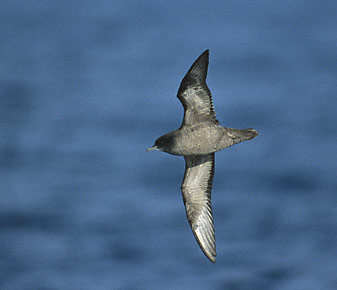 | |
| Short-tailed Shearwater (photo taken from avesphoto.com) |
If you recall, I posted a link to a David Sibley article where he mentions how melting sea ice may be causing some birds to switch oceans or wander farther than normal. Like Glaucous-winged Gull, David Sibley thought that Short-tailed Shearwater is a species likely to do that. It’s a long shot since this species doesn’t show a lot of vagrancy, but who knows! My bet would be for one to show up along the coast of Hudson’s Bay or James ball in the fall.
When? November
9. Bar-tailed Godwit
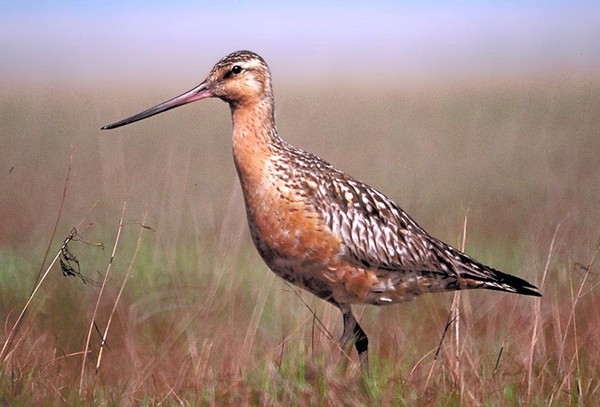 | |
| Bar-tailed Godwit (photo taken from infonews.co.uk) |
There are 4 species of godwits alive today. Two of them, Marbled and Hudsonian, breed in Ontario and are somewhat common throughout much of North America. Bar-tailed and Black-tailed Godwits are rare vagrants to North America, though Bar-tailed breeds in Alaska. The rarer of the two (Black-tailed) is already on the Ontario list, but Bar-tailed has yet to show up. However, this species has quite a few records up and down the coast of North America. The only problem is that this species is strictly coastal. That being said, there are a couple records inland and I think it is only a matter of time before Ontario gets one. Fun fact of the day: Bar-tailed Godwits have the longest non-stop flight of any bird, with one individual traveling over 11,000 km from New Zealand to China.
When? August or September
8. Allen’s Hummingbird
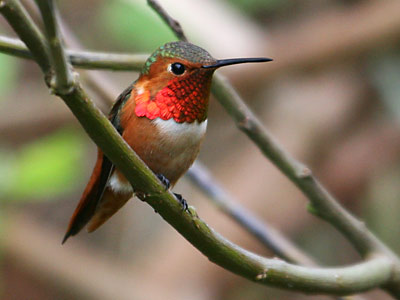 |
| Allen's Hummingbird (photo taken from nps.gov) |
Every fall some wayward southwestern hummingbirds somehow make their way to the northeast states and provinces. Last year was a banner year for Anna’s hummingbirds. Among the notable records was Newfoundland’s 1st ever, an incredible record of a bird that managed to survive a few months of their harsh winter. Ontario had its first Anna’s last year as well. Allen’s Hummingbird and Rufous Hummingbird are two similar species that also occasionally end up in the northeast. Ontario has had a number of Rufous Hummingbirds, many that could not be assigned to species (Selasphorus sp.), and no confirmed Allen’s Hummingbirds. Its only a matter of time, though. Ohio had its first in 2009 and Missouri had its first in 2008. There are also records for Georgia, Virginia, Illinois, Louisiana, Massachusetts, Mississippi, New Jersey, both Carolinas, Tennessee, etc. Ontario will be soon.
When? November
7. White-tailed Kite
 |
| White-tailed Kite (photo taken from flickriver.com) |
White-tailed Kite is a beautiful, distinctive species that is a year round resident in the American southwest, Mexico, and Florida. Unlike a lot of species that do not migrate, White-tailed Kite actually does exhibit some vagrancy with records over much of the continent. Ontario seems to get at least one record of a kite every spring, though they usually end up being Mississippi Kite, or rarely, Swallow-tailed Kite. I think that a White-tailed Kite would be an overdue record for the Ontario list.
When? Mid May
6. Redwing
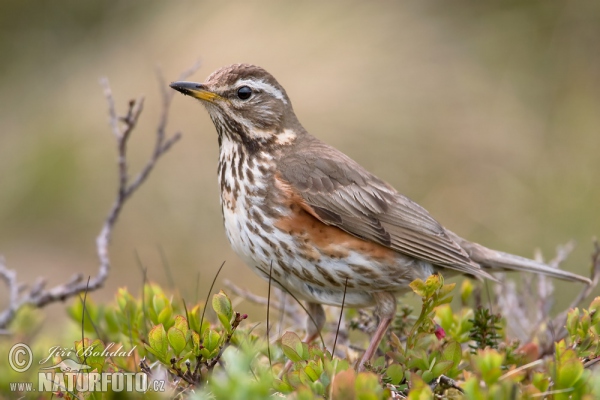 |
| Redwing (photo taken from naturephoto-cz.com) |
Some winters, weather systems rolling off of western Europe hit eastern North America and scatter a few rare birds around. Occasionally, two species of thrush are found (both ABA code 4): Fieldfare and Redwing. In the past, Fieldfare was the “dominant” species that would end up in eastern North America (it’s on the Ontario list) in the past, but recently, Redwing is showing up more regularly. Just this past winter, a handful was present in Newfoundland and Massachusetts.
When? January
5. MacGillavray’s Warbler
 |
| MacGillavray's Warbler (photo taken from flickr.com) |
MacGillavray’s Warbler was on the Ontario list at one point, but later taken off because the location where the May 20, 1890 specimen was supposedly found has a number of inconsistencies. I do think that the chances of one showing up in Ontario are pretty good, though. There are a number of records of this western species for central North America and the east coast, including recent late fall records from Maine and Massachusetts (2009). MacGillavray’s is quite similar to Mourning Warbler and at one point they were considered the same species. This will make identification difficult if/when is detected in Ontario!
When? Late November/early December, or late May/early June. I’m gonna go with early June.
4. Glaucous-winged Gull
 | |
| Glaucous-winged Gull (photo taken from roysephotos.com) |
David Sibley wrote an interesting article about how the melting of sea ice in the Arctic circle may cause some species to end up on the wrong side of the continent (see the article: http://www.sibleyguides.com/2010/09/birding-and-a-warming-arctic/). The gist of the article is that melting sea ice allows birds to travel much farther than in the past because there was less of a barrier of continuous ice. Birds travelling a few hundred kilometres up in the arctic may end up 1000’s of kilometres off course by the time they get down here! Glaucous-winged Gull is a species that may be affected by this. Newfoundland had its second record of GWGU in 2006, Colorado has had a few, and Illinois had one a couple years ago. I think that within the next 5 years Ontario will get one. The northern coast of Ontario seems a likely place, as does the Niagara River, but my guess is as good as anyone’s!
When? Early winter
3. Cassin’s Vireo
 |
| Cassin's Vireo (photo taken from zuropak.com) |
This is another one that is not on the Ontario checklist yet, despite a few possible individuals over the years. I know at least 3 birders who claim to have seen one in Ontario. The problem with this species is, of course, it’s identification. Formerly called the Solitary Vireo, it was split into three species – Blue-headed, Cassin’s and Plumbeous – with each species having some overlap in plumage with the other ones. There are a few accepted records for the northeast, though.
When? Late April/early May
2. Red-necked Stint
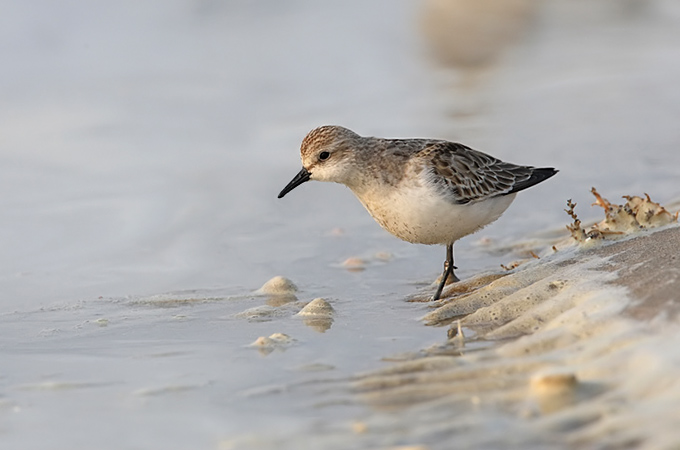 |
| Red-necked Stint (photo taken from birdskorea.org) |
This is probably my most wanted bird to find in Ontario. I don’t quite know why, other than the fact that I love shorebirds! Red-necked Stint may be hard to pick out from a flock of shorebirds, but if one knows what to look for it should be doable. The four stints are Old World species that casually turn up in North America. There are quite a few records of Red-necked Stint on the east coast with some inland records as well. One has been found in Ohio – just across the lake from southern Ontario. Red-necked Stint, much like MacGillavray’s Warbler, is a bird that was once on the Ontario list and then removed - a Toronto bird was first accepted and later rejected.
When? Late July
1. Reddish Egret
 | |
| Reddish Egret (photo taken from tgreybirds.com) |
Reddish Egret is the only regular North American wading bird that has yet to find its way onto Ontario’s list. I don’t really know why – there are records all up and down the east coast and a bunch in the middle of the continent too! I suppose that a juvenile Reddish Egret, the most likely age class to occur in Ontario, may be harder to pick out unless you know what you’re looking for. So anyways, I think that this is the next species to added to the Ontario list!
When? August
Of course there are many other possible birds I left off the list – some honourable mentions include: Short-tailed Hawk, White-tailed Tropicbird, Clapper Rail, Surfbird, Mountain Plover (aka Colorado dirtpiper), Yellow-legged Gull, Dusky-capped Flycatcher, Sage Sparrow, White Wagtail, Williamson’s Sapsucker, Brown-headed Nuthatch etc.....
Friday, 8 July 2011
The next 20 birds added to the Ontario list
Disclaimer - none of these photos were taken by me. Link to original photo provided. I hope that's not illegal?!?
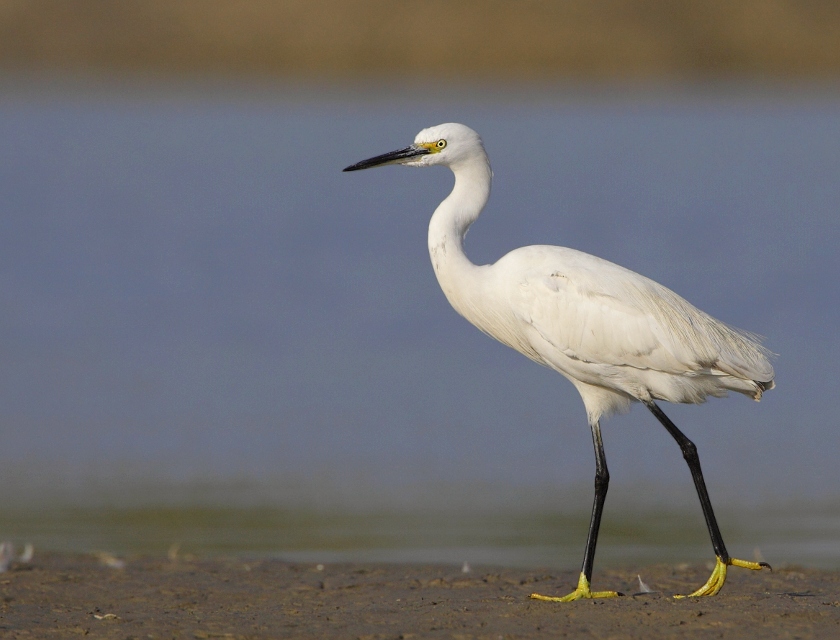
Little Egret may be a surprising choice seeing as it is an ABA code-4 bird – or a species that is not annually found in North America. However, Little Egret numbers are increasing in Europe and so is the frequency in which we are getting them in North America. Its only a matter of time before one wanders too far and ends up in Ontario!
To me, there is very little in the birding world that is more enjoyable than finding a rare bird. Finding a bird that is the first record for your respective state/province seems to be the ultimate thrill for many birders. I’ve spent a lot of time (too much, probably!) over the past couple years contemplating what would be the next bird added to the Ontario list. Two of my top choices, Anna’s Hummingbird and Roseate Spoonbill, were found last year and (pending acceptance from the Ontario Bird Records Committee) will be added to the provincial checklist. Below, I’ve outlined what I think may be the next 20 birds added to the Ontario list, ranked from least likely to most likely. I have also gone a step further and tried to guess the time of year that one will show up. Chances are good that I will be proven wrong, but hey, maybe I will get a couple right! Without further ado, the list:
20. Little Egret
 |
| Little Egret (from Wikipedia Commons) |
When? late July/early August
19. Pacific Wren
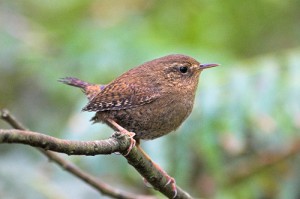 |
| Pacific Wren (taken from http://www.flickr.com/photos/tomtalbott/2297675668/) |
The familiar Winter Wren was recently split into three species – the western N.A. species (Pacific Wren), eastern N.A. species (retaining the name Winter Wren), and European species (Eurasian Wren). While we are familiar with Winter Wren, I would assume that most of Ontario’s birders aren’t too familiar with Pacific Wren, or certainly weren’t, prior to the split. There are no records that I am aware of for Pacific Wren in eastern N.A., but that may be because most of the birders out here aren’t familiar with the species. Who knows, with birders now being more informed, a Pacific Wren will have a harder time slipping past...
When? April (not a great time for vagrants, but birds are singing then, possibly making it easier to pick out)
18. Hammond’s Flycatcher
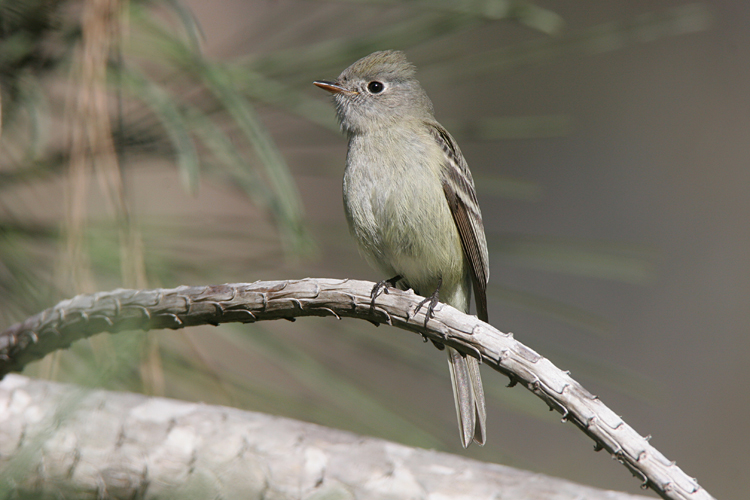 |
| Hammond's Flycatcher (taken from bird-friends.com) |
It seems that every year Ontario gets hit with some warm weather systems from the US southwest in October and November. The annual “flight” of Cave Swallows seems to occur almost every year, and many of Ontario’s rare flycatcher records have come then. It doesn’t seem implausible that a species such as Hammond’s would make its way across on one of these weather systems. Heck, there are already records for Michigan (Oct 24, 1990) and Pennsylvania, among other northeast locations. The trick is to be able to identify this small, drab empid. This shouldn’t be a huge problem since any Empidonax flycatcher in late fall is a big deal and warrants a second look.
When? late October/early November
 |
| Bridled Tern (taken from alsirhan.com) |
17. Bridled Tern
Ontario has had a number of interesting “hurricane birds” – those that get caught up in a hurricane and blown halfway across the continent. The last recent event was in September, 2003 when Hurricane Isabel passed through. Rarities found in Ontario include Black-capped Petrel, Wilson’s Storm Petrel, Least Tern, Sooty Tern, many jaegers, etc. Additionally, New York had a number of interesting birds, including a Bridled Tern. Maybe the next big hurricane will bring one into Ontario!
When? September
 |
| White-throated Swift - taken from Flickr (Jerry Ting) |
16. White-throated Swift
Maybe not very likely, but who knows – Michigan had a record (though it was in 1926). Birders keeping their eyes to the skies during migration just may luck out and see this distinctive species. The Michigan record was from August but I think that it is just as likely to have one show up at Pelee or Long Point during spring migration.
When? mid May
 |
| Common Murre (taken from 1000birds.com) |
15. Common Murre
Ontario has all of the eastern Alcids on its list already, with one glaring hole – Common Murre. The problem with these is that they don’t really move around much outside of their normal range. Contrast that to the Thick-billed Murre, a species that has exhibited vagrancy up and down both coasts, as well as with a few records being found mid-continent! I am still confident that a Common Murre will show up in Ontario eventually, though.
When? early December
 |
| Northern Lapwing (taken from birdforum.net) |
14. Northern Lapwing
Just about every year it seems, Northern Lapwings have a winter incursion into the Northeast from Europe. Last year was a particularly good one – Newfoundland had several, Nova Scotia had one, and a few states in the northeast had one or more. I think it’s high time for Ontario to get one! Winter seems like the best time for them to show up.
When? January
 |
| Cory's Shearwater (taken from losgigantes.com) |
13. Cory’s Shearwater
Here is another species that I might associate with the passing of a hurricane. Sometimes shearwaters get thrown into the mix so I think its possible for Cory’s to be the next Atlantic species of shearwater to be seen in Ontario. Or who knows, maybe one will wander up the St. Lawrence River and show up in western Lake Ontario! There are a few inland North American records and a few up and down the coast well past its normal range.
When? September
12. Great Skua
 |
| Great Skua (taken from birdsireland.ca) |
Ontario’s north shore is a magical place, and one rarely visited by birders. The few that have made the trek seem to always come back with tales and photos of rare birds. The most recent trip was undertaken by Alan Wormington and Brandon Holden last fall to southern James bay. In a few weeks of sea-watching they had quite a few good birds including Dovekie, Sooty/Short-tailed Shearwater, many jaegers, Black Guillemot, Pacific Loon, etc. If you look at a range map of Great Skua, you can see that it wouldn’t take much for one to be blown into Hudson’s Bay. I am sure that if the north coast of Ontario received as much attention for sea-watching as Van Wagner’s Beach in Hamilton or the Point Pelee tip, then Great Skua would already be on the list. Alas, it is not, but maybe it will be added when the next group of crazy birders head up to the Great White North for a few weeks of sea-watching.
When? early November
 |
| Pink-footed Goose (taken from whatbird.com) |
11. Pink-footed Goose
Pink-footed Goose is another rare vagrant to North America – a code 4 bird. Recently though, it has become much more common with most of the records occurring in the last 25 years. In fact the Greenland and Iceland breeding population increased from 10 thousand to 270 thousand birds in just 16 years! With the higher numbers, more will be spilling over into North America from time to time. Check all those geese flocks you see in the fall!!!!
When? November
I'll put the rest of the birds in a different post. Let me know if you think I am way off, or what your thoughts are...
Subscribe to:
Posts (Atom)